
Pela cut support software costs 50%.
CSAT reached 90%. Trustpilot climbed from 2.2 to 4.4 on its own.
 4.7 on G2
 4.8 on Shopify
50%Lower software cost.
90%CSAT, an all-time high.
2.2 → 4.4Trustpilot, organically.
Lower cost without lowering service.
Repeat work moved to AI and self-service. Human time went where it changed the outcome.
Stage 1
Move the repeat work
AI and self-service took the predictable volume out of the queue.
Stage 2
Give people the hard work
Agents stayed on the conversations that need care.
Stage 3
Measure the customer
CSAT and Trustpilot rose while spend fell.
“All our customer experience metrics have reached an all-time high. Our Trustpilot rating jumped from 2.2 to 4.4. Our CSAT is 90%. And we’ve cut our SaaS costs by 50% since switching.”
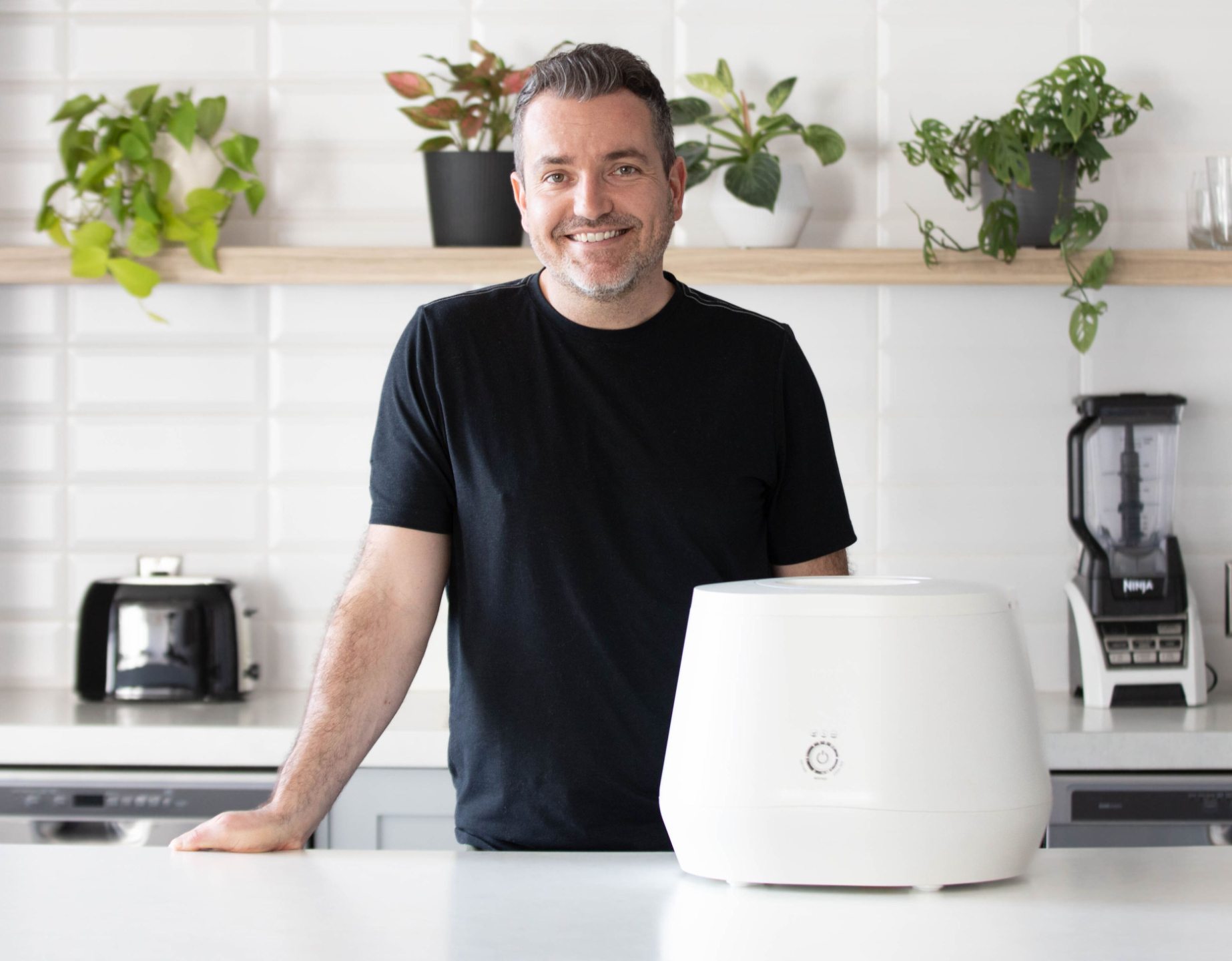
Matt BertulliCo-founder and CEO, Pela
Spend fell by half. Ratings hit an all-time high.
The AI owns
The predictable volume
Repeat questions close through AI and self-service instead of waiting in a queue.
The team owns
The conversations that need care
Human time goes where it changes what the customer remembers.
Customer-reported. Published with Pela’s permission.
Same setup, on your tickets. Or every dollar back.
50%
AI automation in 30 days
30%
lower total bill
In writing, from day one.
$0
risk to you
Full refund if we miss.
Click here to book a demo
Miss either number, every dollar back.